
LENZ: Photographs
Photographs
GINA LENZ
February 3 – March 31, 2012
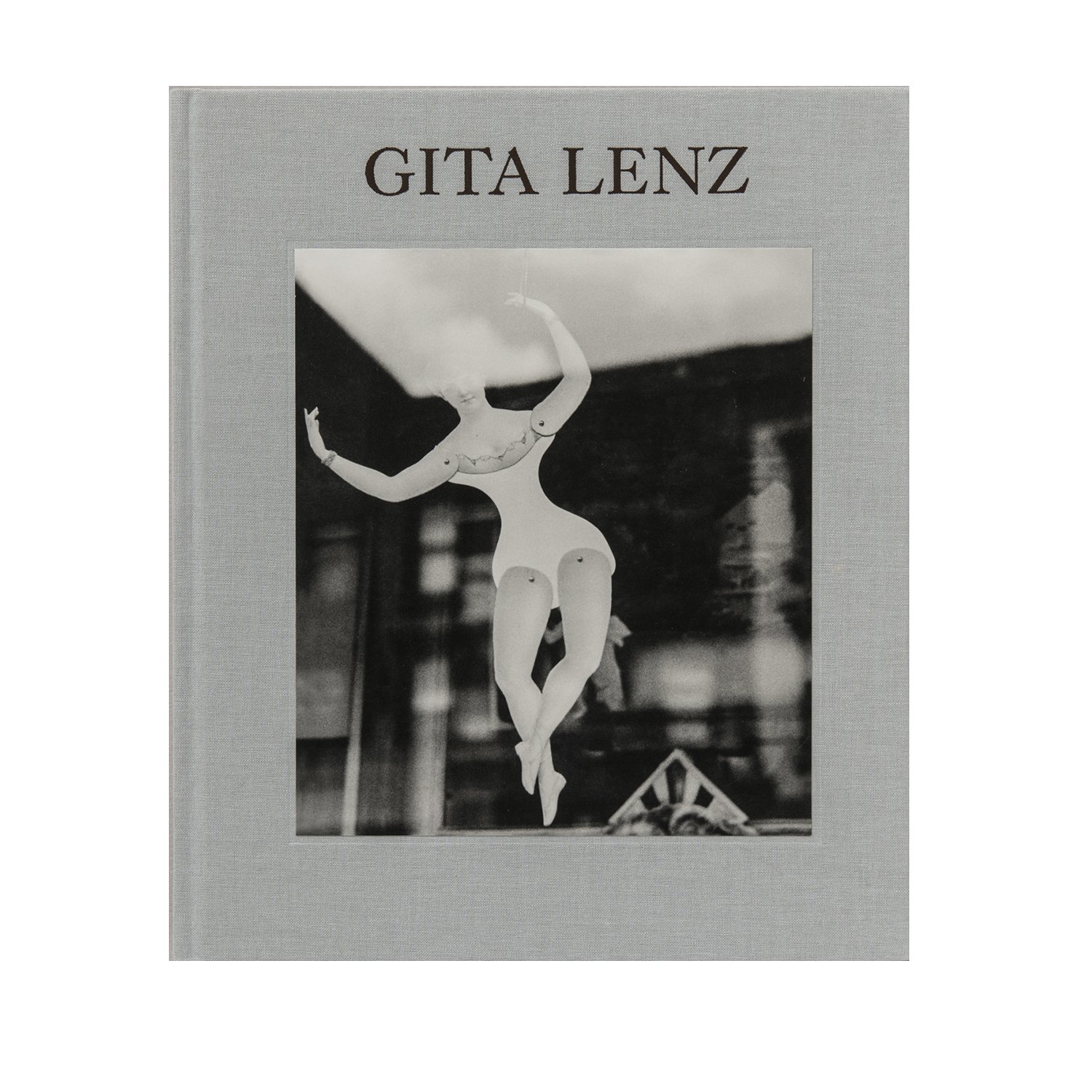
2011
Hardcover
Dimensions: 9 5/8 x 11 1/2 inches
100 pages, 52 plates
ISBN 978-0-9845739-0-5
ABOUT THE BOOK
Gita Lenz: Photographs is the result of the efforts of two individuals, Timothy Bartling and Gordon Stettinius. Back in 2002, when Timothy, Gita’s friend and neighbor, was helping her move into an assisted living facility in West Greenwich Village, he was not sure what should be done with all of the photographic work that she had asked him to take care of. So, he contacted Stettinius, a friend and photographer, to explore what could be done with Gita’s photography. Together, they decided that by producing a book from the work and by mounting an exhibition as well, they could generate some interest in Gita and her photography. From there, Stettinius established Candela Books in order to publish Gita’s monograph and then arranged with Gitterman Gallery, in New York, to mount a solo exhibition, and ultimately to represent Gita’s photography. This book, along with the concurrent exhibition, are meant as a tribute to honor Gita’s beautiful photography.
ABOUT THE ARTIST
Gita Lenz is an American born photographer. Most active from the 1940s through the early 1960s, Lenz earned considerable recognition during her career, notably she was included in two photography exhibitions curated by Edward Steichen for the Museum of Modern Art . She was also included in a three-person show at the Brooklyn Museum of Art and had numerous articles and features in photography magazines to her credit. Though initially she might have been described as a social documentarian, Lenz quickly embraced elements of Abstract Impressionism, possibly influenced by Aaron Siskind, a prominent photographer and good friend as well. Abstract compositions, surreal subject matter, and intimate portraits all attracted Lenz’ attention and each subject was carefully considered and beautifully printed.
ABOUT THE AUTHOR
Gordon Stettinius, a photographer and educator, has compiled and edited the photographs for this monograph of Gita Lenz’ photographic work and written an introduction to the work and the story behind the book. Stettinius lives and works in Richmond, Virginia and shows his own photography nationally and internationally. He is a recipient of the 2009 Theresa Pollak Award for Excellence in the Arts.
PHOTOGRAPHS
published by Gordon Stettinius
2011
Hardcover
Dimensions: 9 5/8 x 11 1/2 inches
100 pages, 52 plates
ISBN 978-0-9845739-0-5
ABOUT THE PROJECT
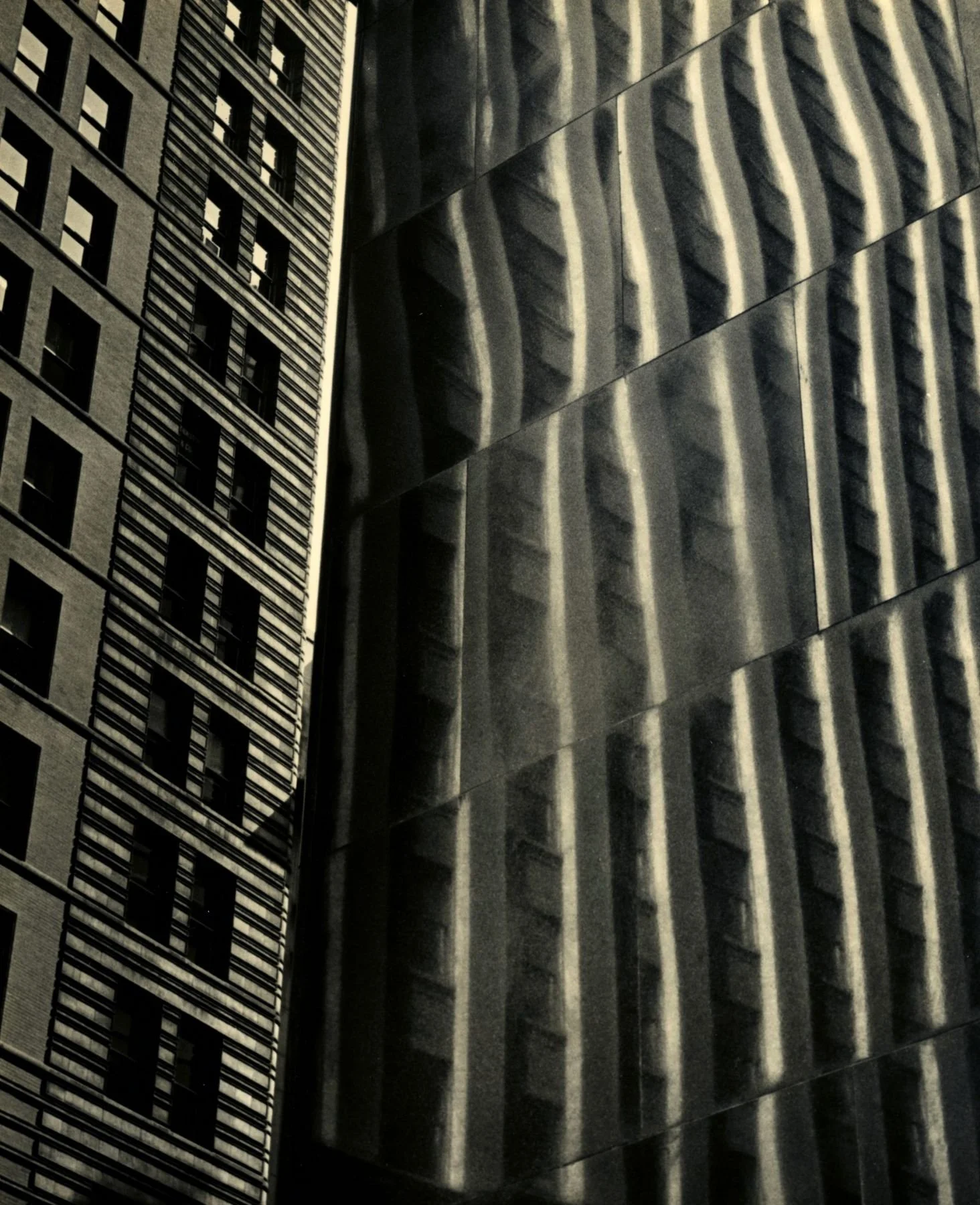
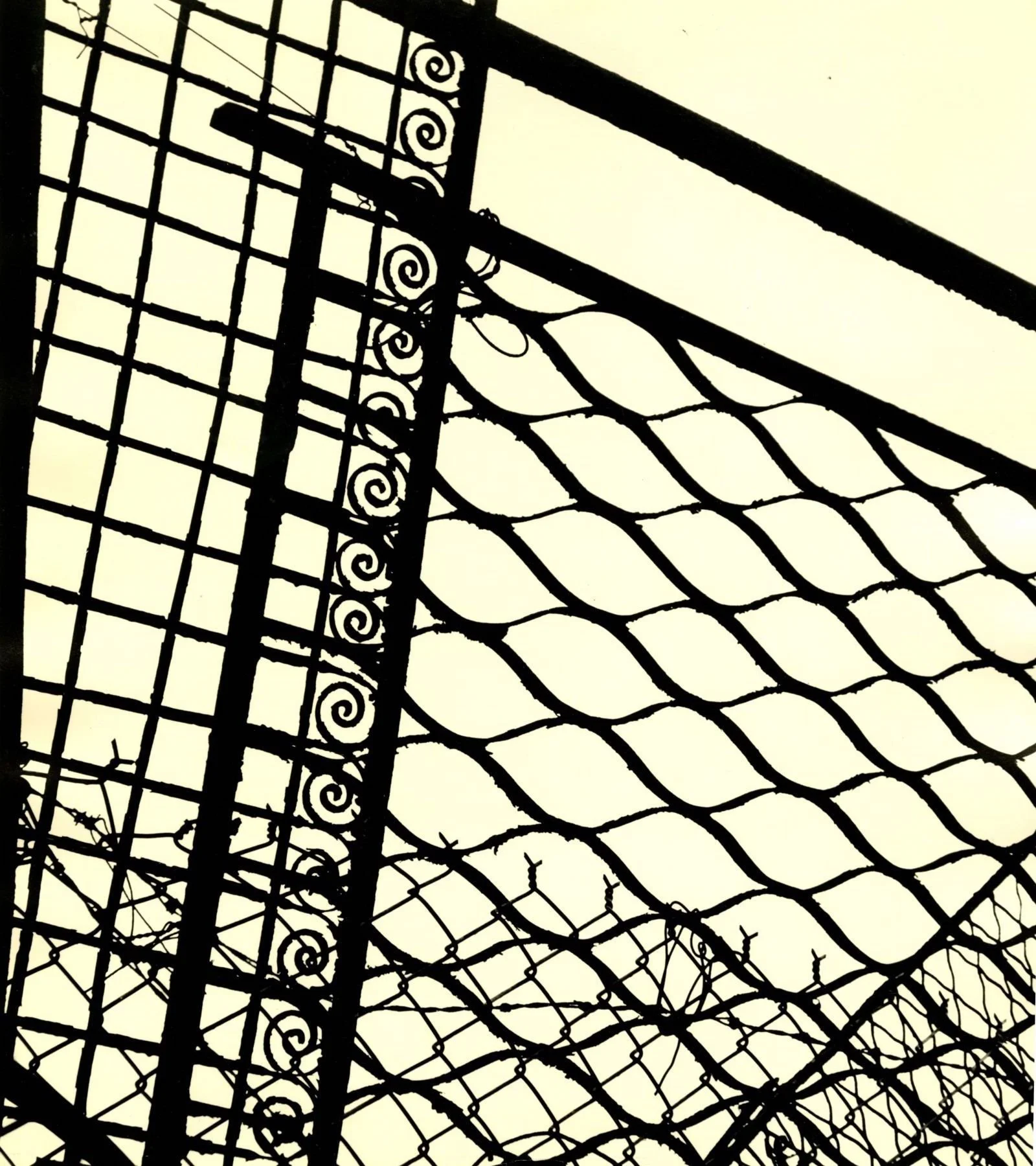
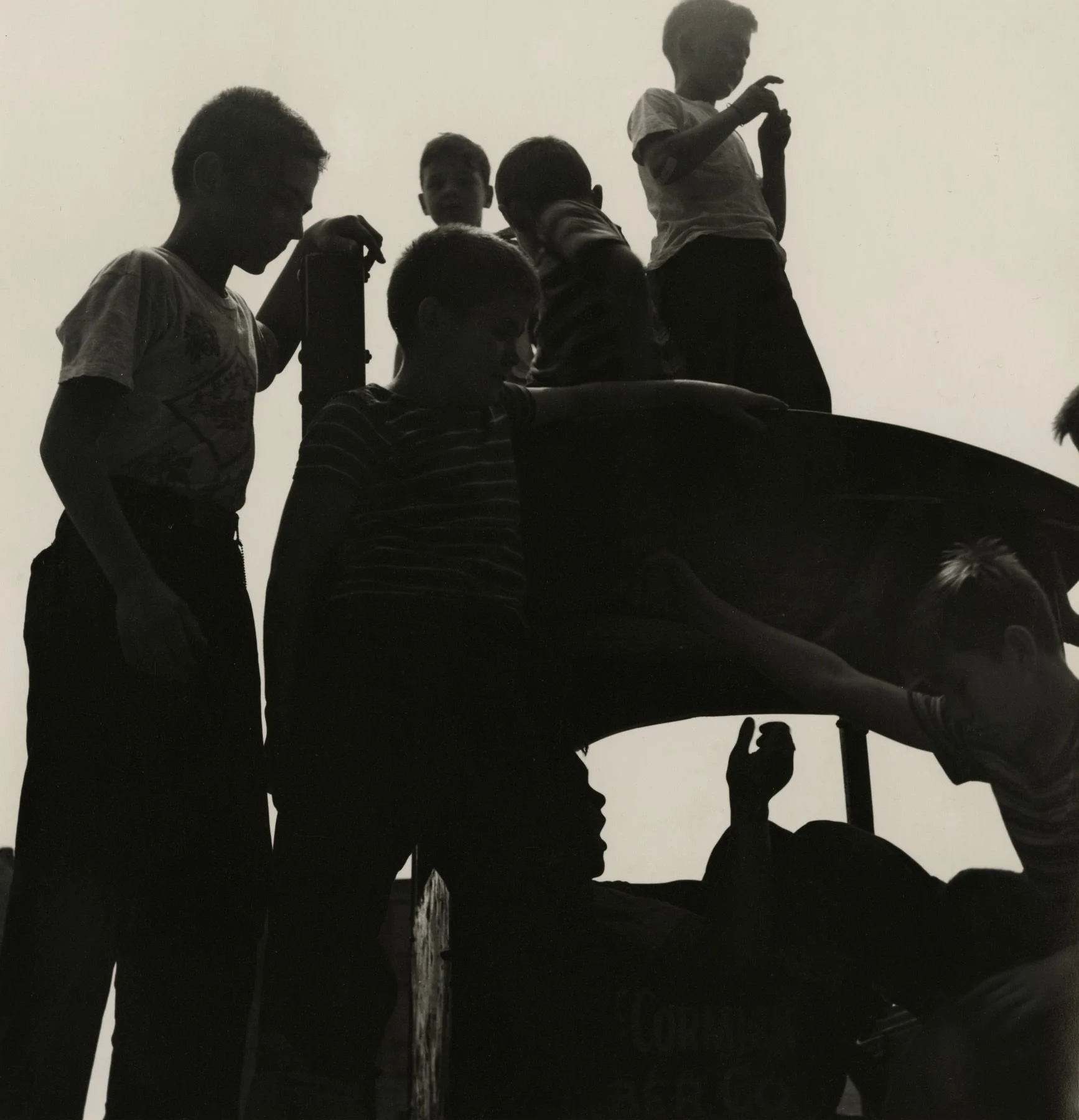
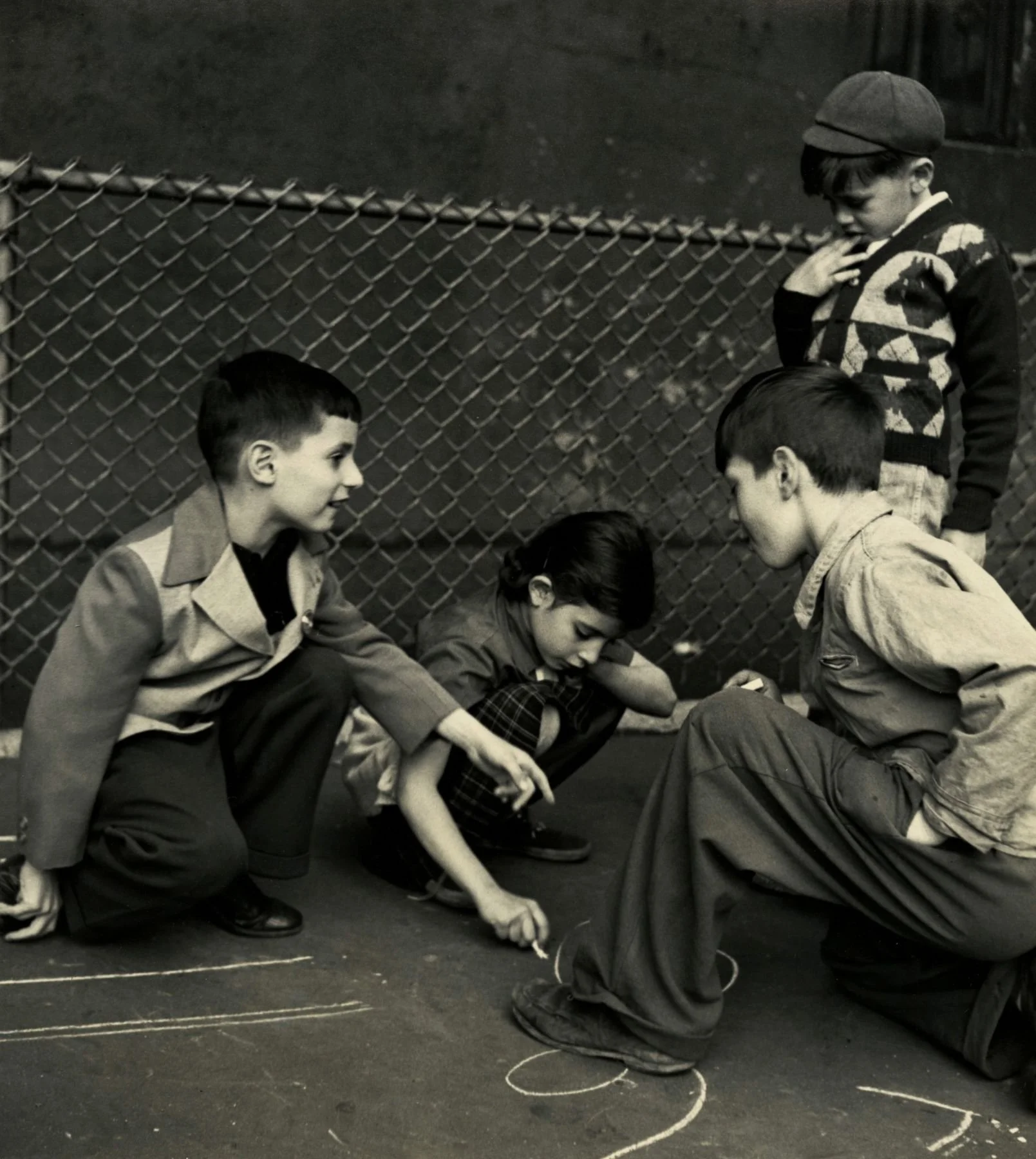
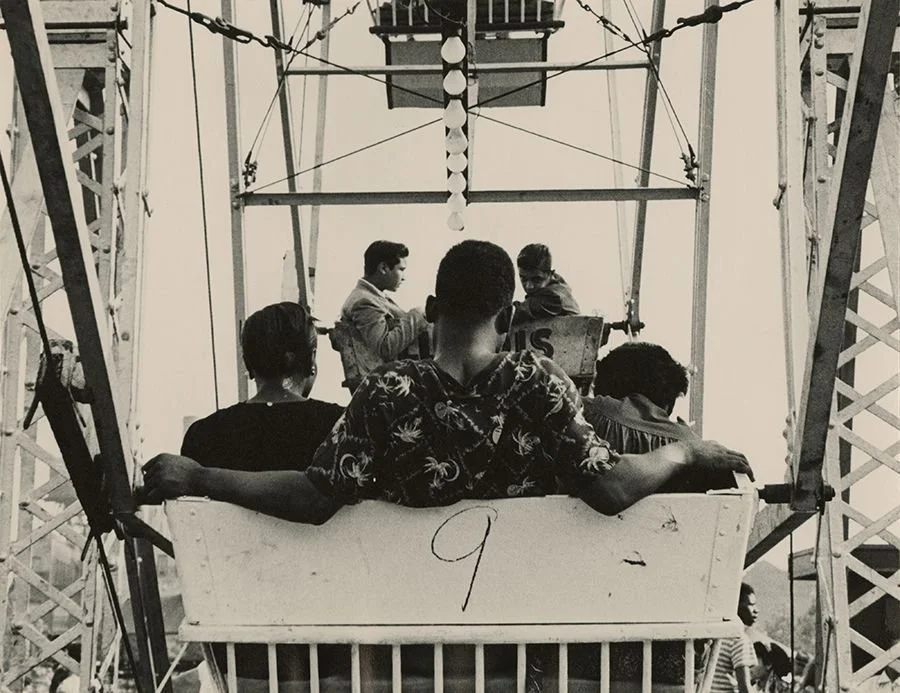
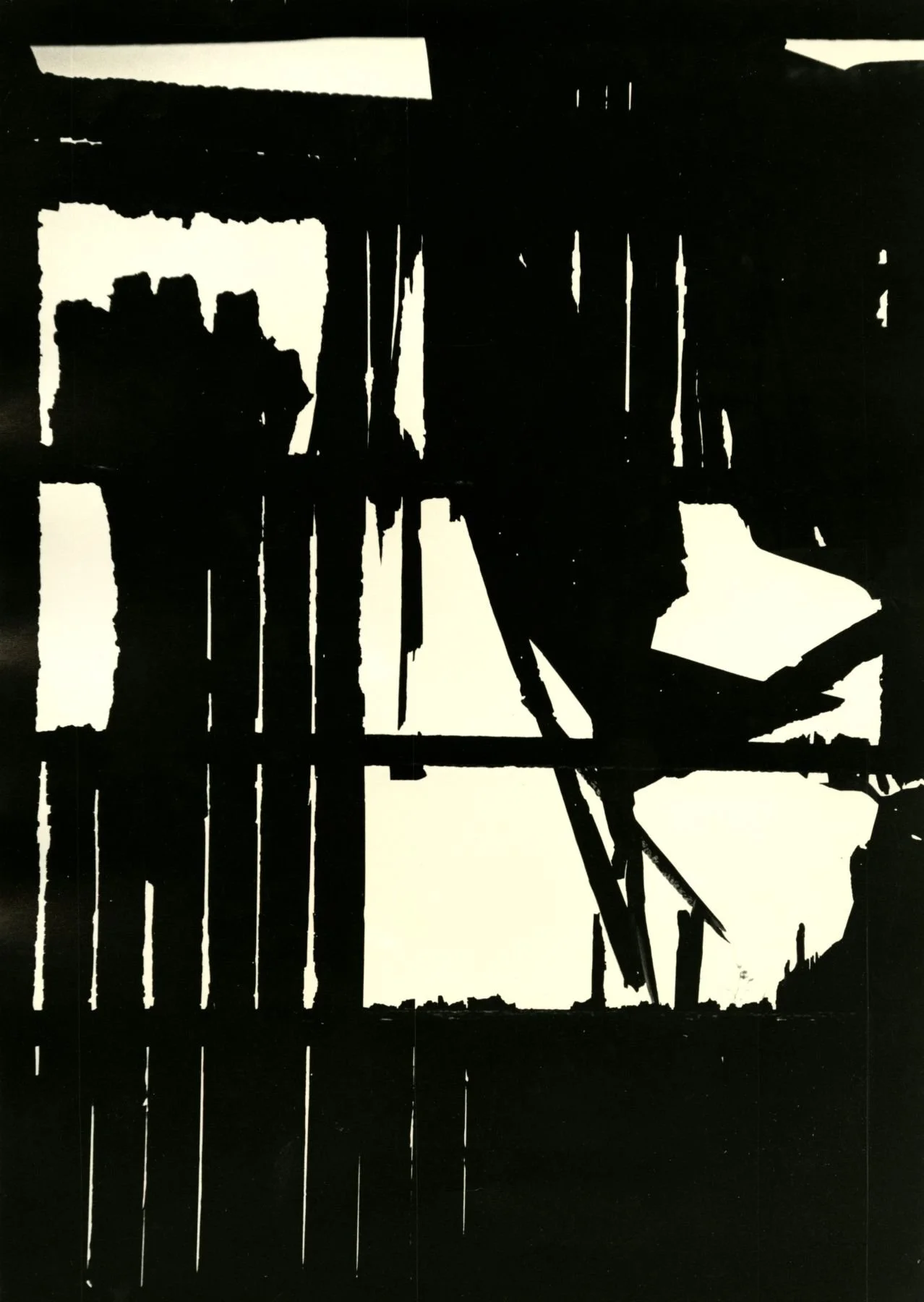
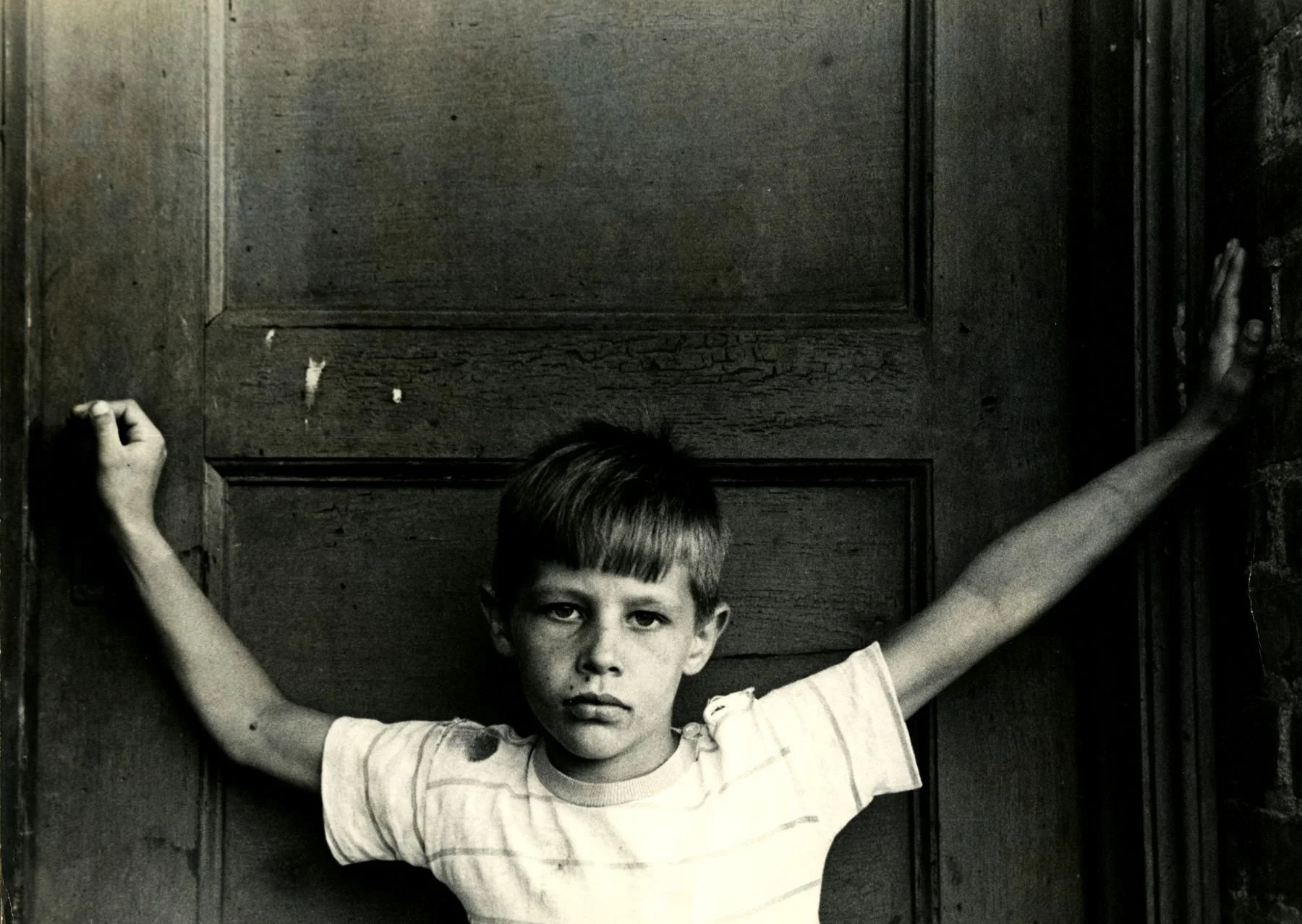
From the 1940s to the early 1960s, Gita Lenz (1910 – 2011) created a body of work that withstands comparison to many of the better-known photographers of the time. Aaron Siskind was both a friend and strong influence. Like Siskind, who started out as a social documentarian and member of the Photo League in New York, Lenz’s work ranges from the humanist to the abstract. She spent much of her time making images of the people and the city around her. Also, like Siskind, Lenz explored abstraction, both in nature and in the urban environment, frequently making complex and beautiful images of mundane and dilapidated subjects. Some images are tender, demonstrating a sense of empathy and respect, and others are dynamic, suggesting a modernist and sometimes surreal perspective.
Gita Lenz moved to an apartment at the corner of Carmine Street and 7th Avenue in 1940. Soon after, Lenz began photographing infrequently and informally, but by the 1950s she was working professionally and receiving recognition.
In 1951, following the seminal exhibition Abstract Painting and Sculpture in America at the Museum of Modern Art, Edward Steichen curated the exhibitionAbstraction in Photography, and included Lenz’s work alongside work by Erwin Blumenfeld, Josef Breitenbach, Alexey Brodovitch, Harry Callahan, Henri Cartier-Bresson, Ralston Crawford, Walker Evans, Lotte Jacobi, György Kepes, László Moholy-Nagy, Man Ray, Charles Sheeler, Arthur Siegel, Aaron Siskind, Frederick Sommer, Alfred Stieglitz, Paul Strand and Edward Weston. For Steichen, the exhibition was meant as a response to the “sensitive reportorial photography” of the period and featured “the work of photographers concerned with evolving another reality by probing into the realm of the abstract.” The first major exhibition of Lenz’s work was in a three-person show, The Third Eye with John Reed and Don Normark, at the Brooklyn Museum of Art in 1952. Soon after, in 1955, Edward Steichen included her work in another exhibition at the MoMA, this time in the landmark exhibition, The Family of Man.
Lenz pursued commercial and fine art photography into the early 1960s until her financial situation required her to seek a steadier income. She did, however, continue with other creative pursuits, chiefly creative writing and poetry.
When the reality of living alone in her fifth floor walkup on Carmine Street became too impractical, Timothy Bartling, who was her neighbor and had become her friend, helped Lenz move into an assisted living facility near her old neighborhood and manage her personal affairs. Bartling elicited the expertise of his friend the photographer Gordon Stettinius to archive Lenz’s work. It was the depth and quality of Lenz’s work that inspired Stettinius to found Candela Books and make Lenz’s work the subject of its first publication. Because Lenz’s memory has been fading in recent years, it is due to the efforts of Bartling and Stettinius that we now know of her work and a little of the life she led.
ABOUT THE ARTIST
Gita Lenz is an American born photographer. Most active from the 1940s through the early 1960s, Lenz earned considerable recognition during her career, notably she was included in two photography exhibitions curated by Edward Steichen for the Museum of Modern Art . She was also included in a three-person show at the Brooklyn Museum of Art and had numerous articles and features in photography magazines to her credit. Though initially she might have been described as a social documentarian, Lenz quickly embraced elements of Abstract Impressionism, possibly influenced by Aaron Siskind, a prominent photographer and good friend as well. Abstract compositions, surreal subject matter, and intimate portraits all attracted Lenz’ attention and each subject was carefully considered and beautifully printed.
