
The Golden Age
ALANNA AIRITAM
January 3 – February 22, 2020
ABOUT THE PROJECT
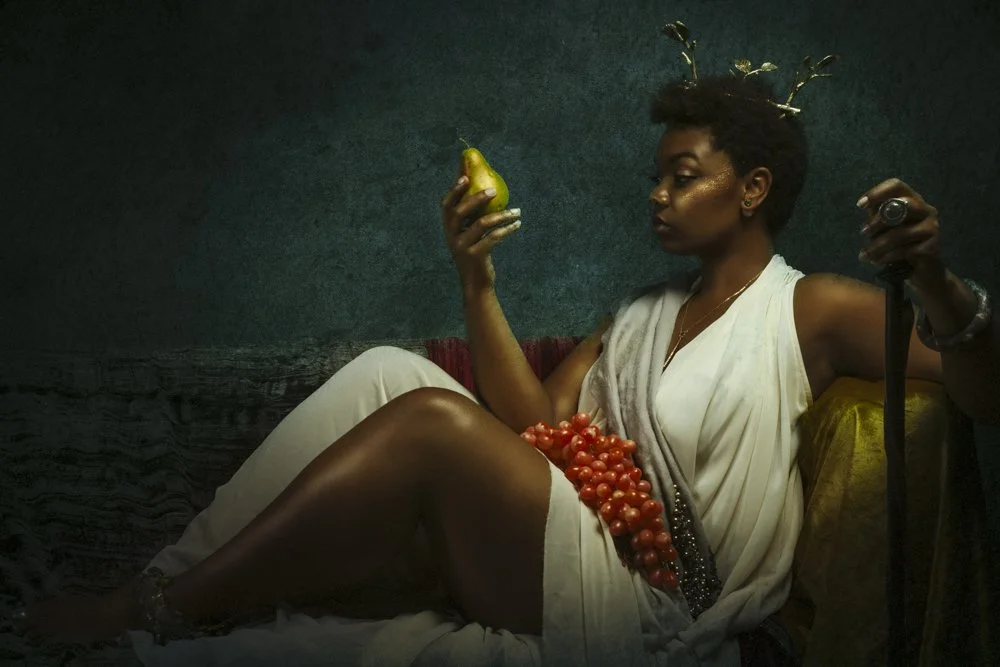
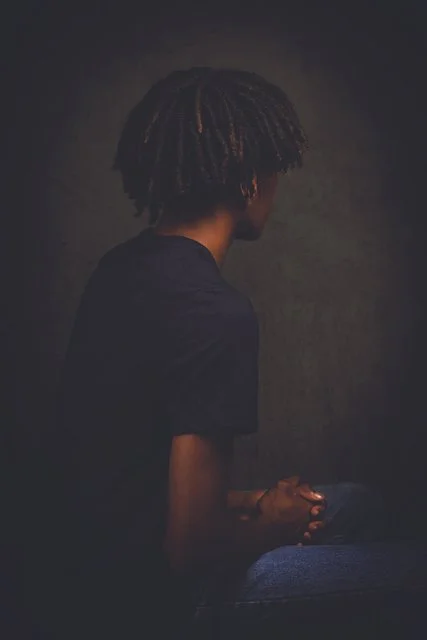
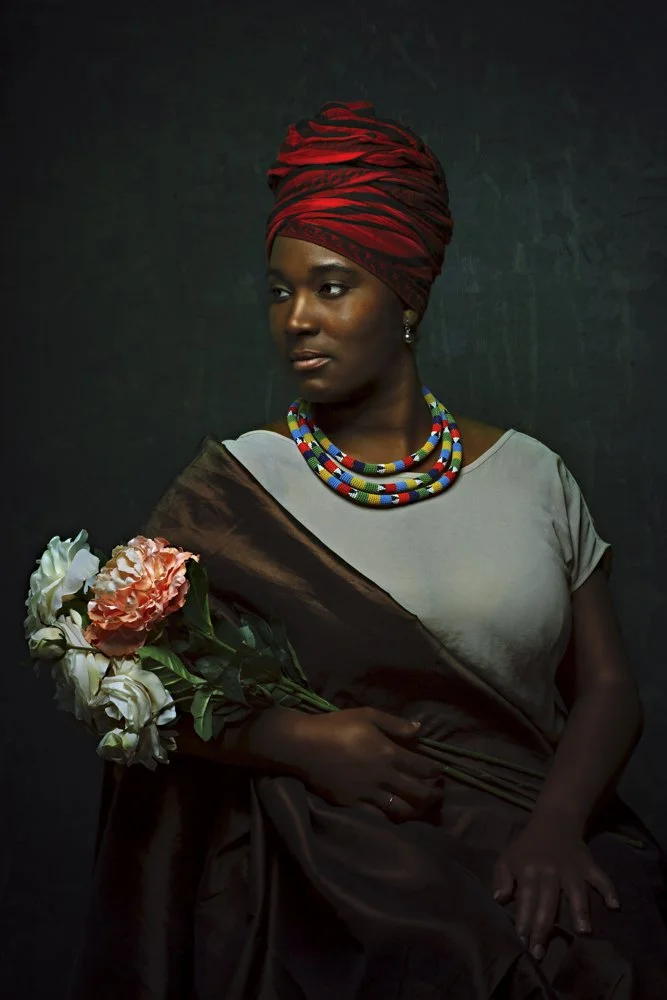
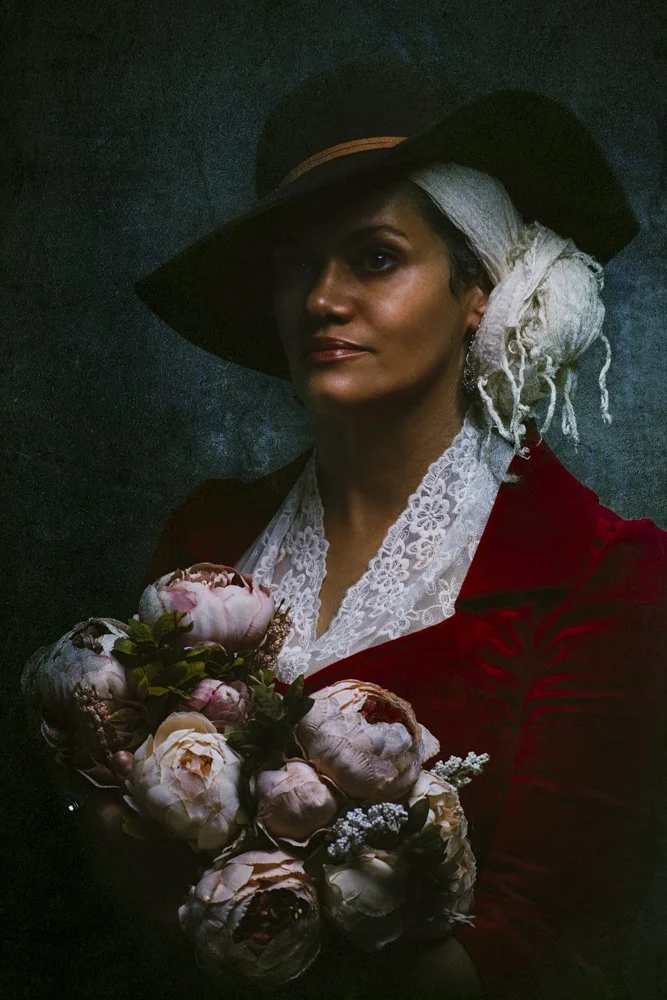
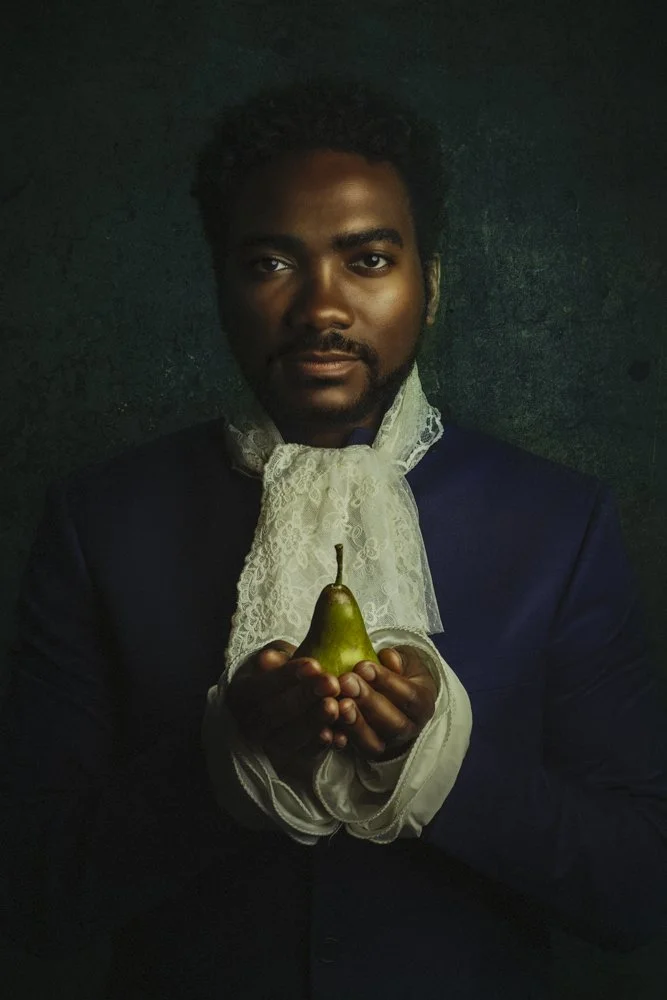
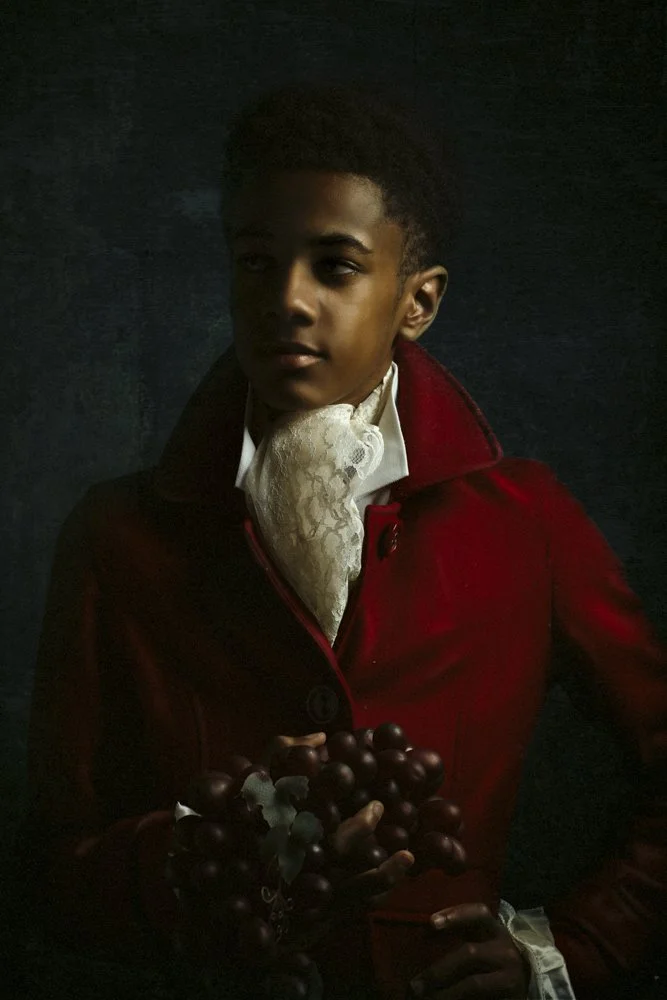
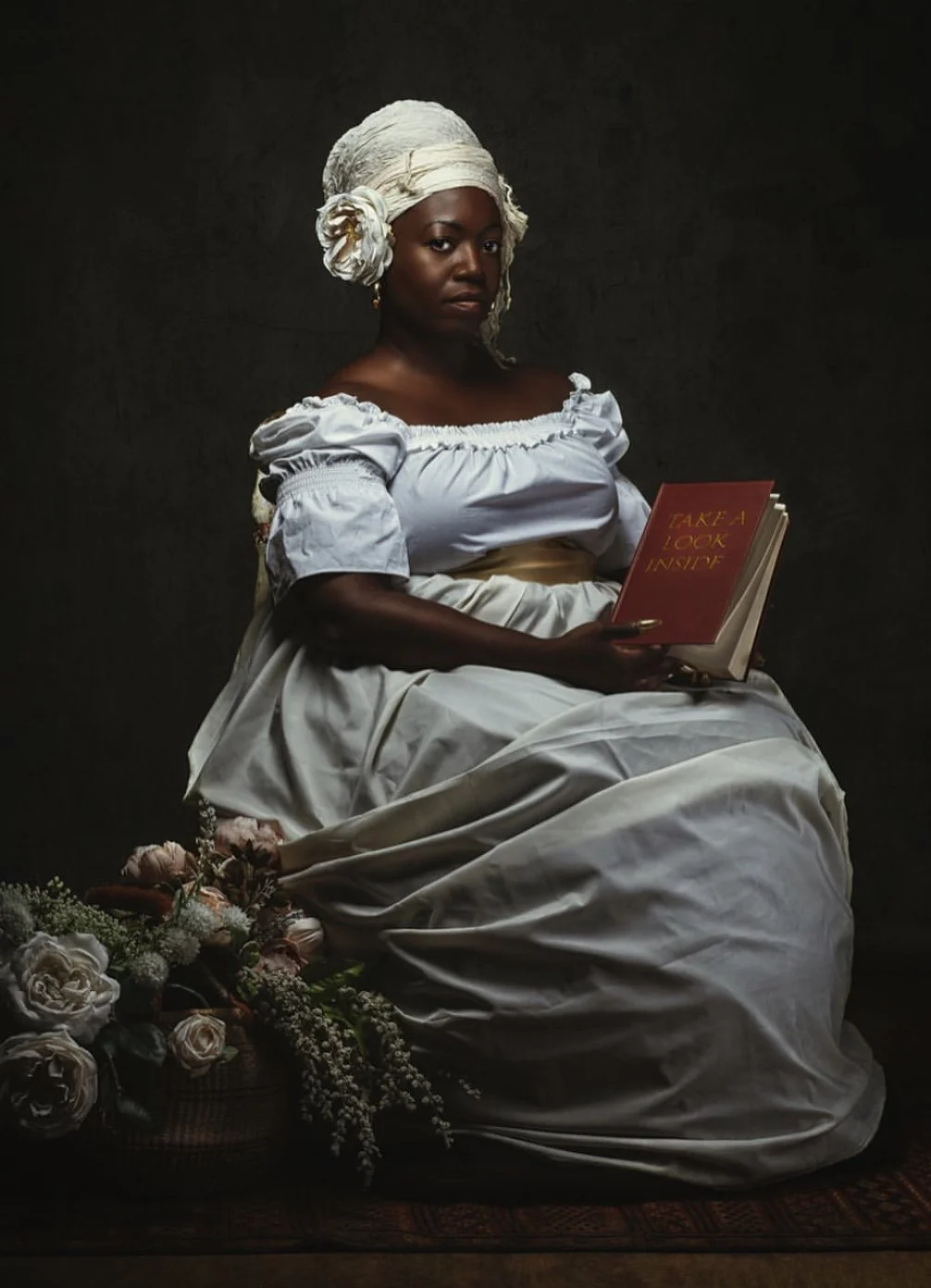
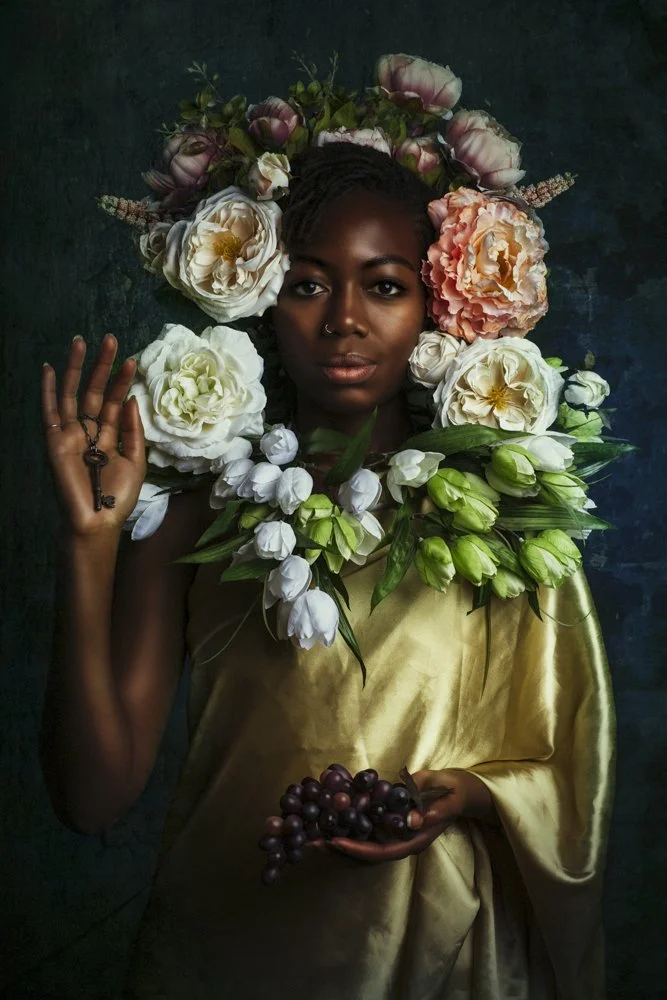
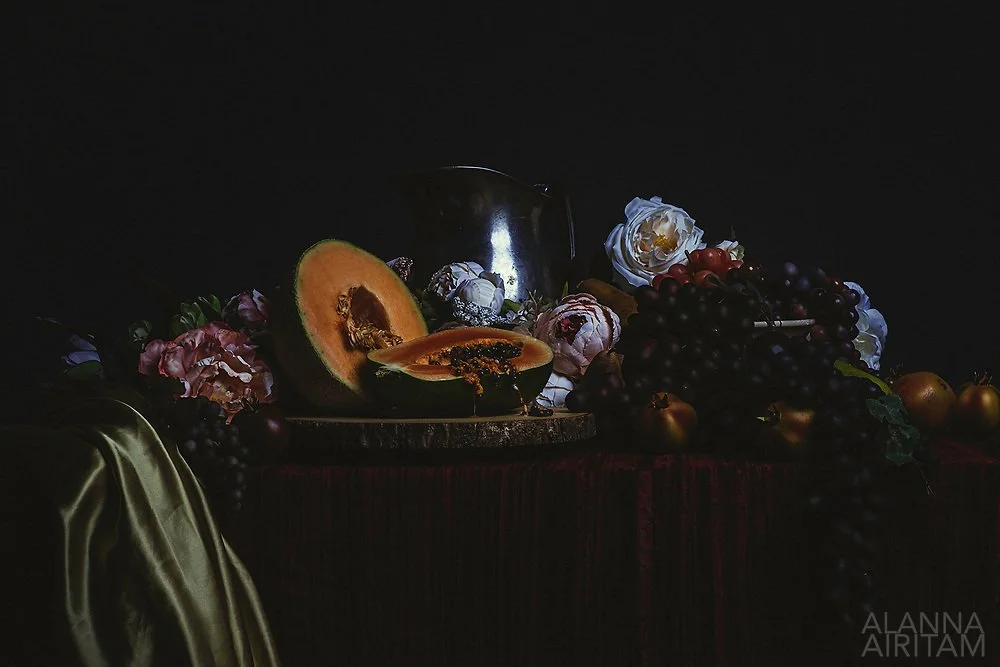
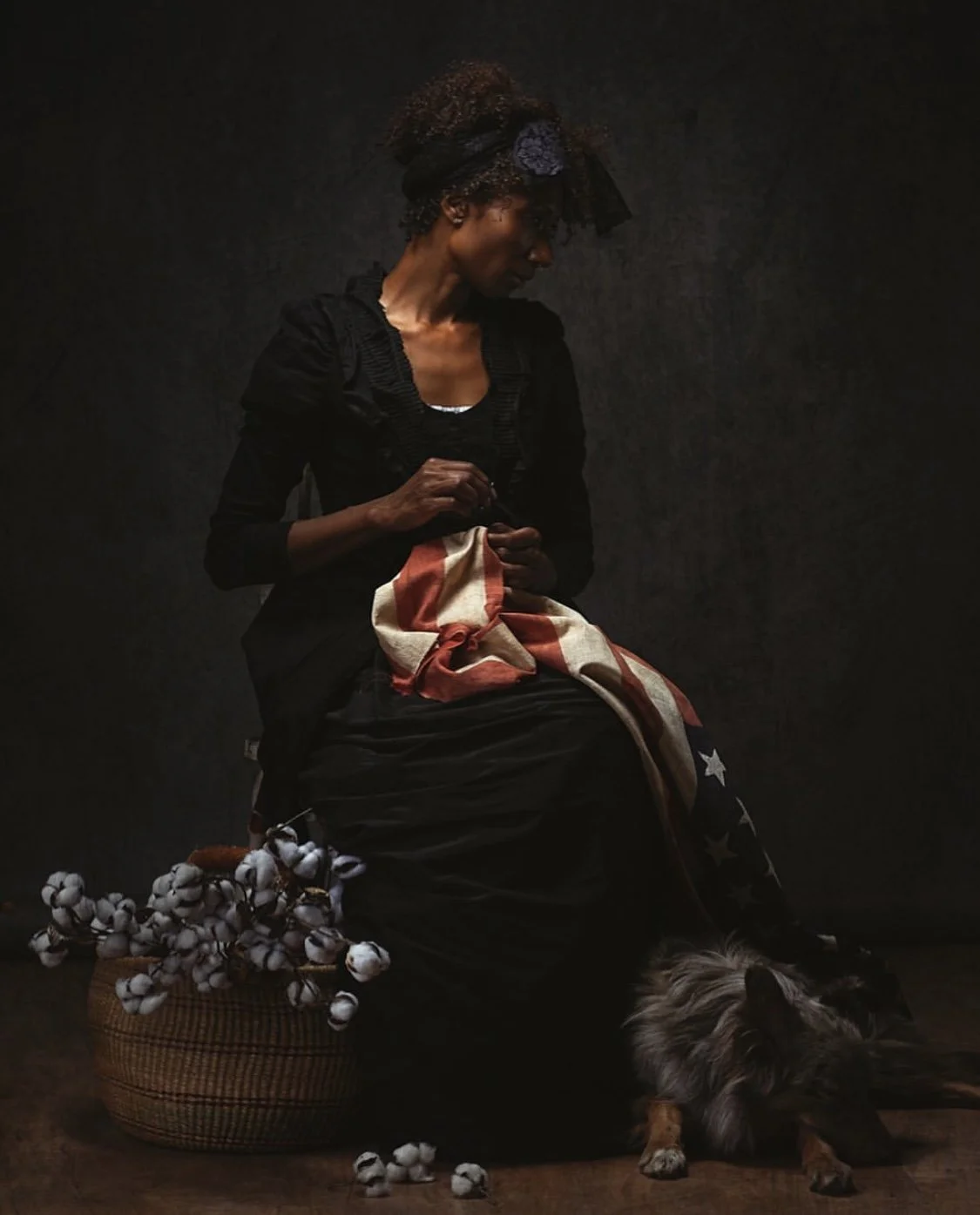
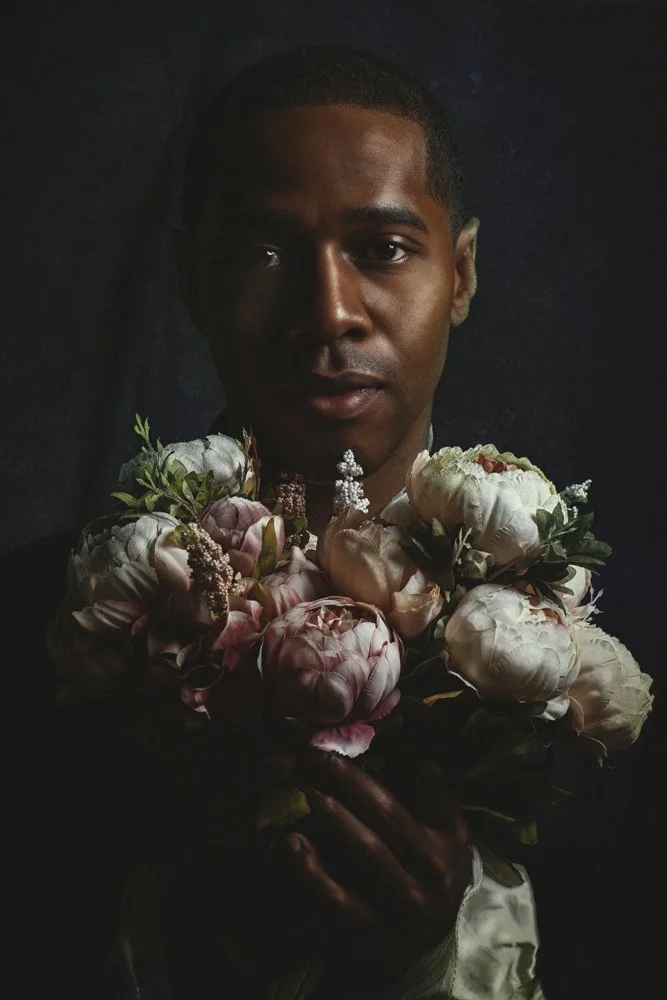
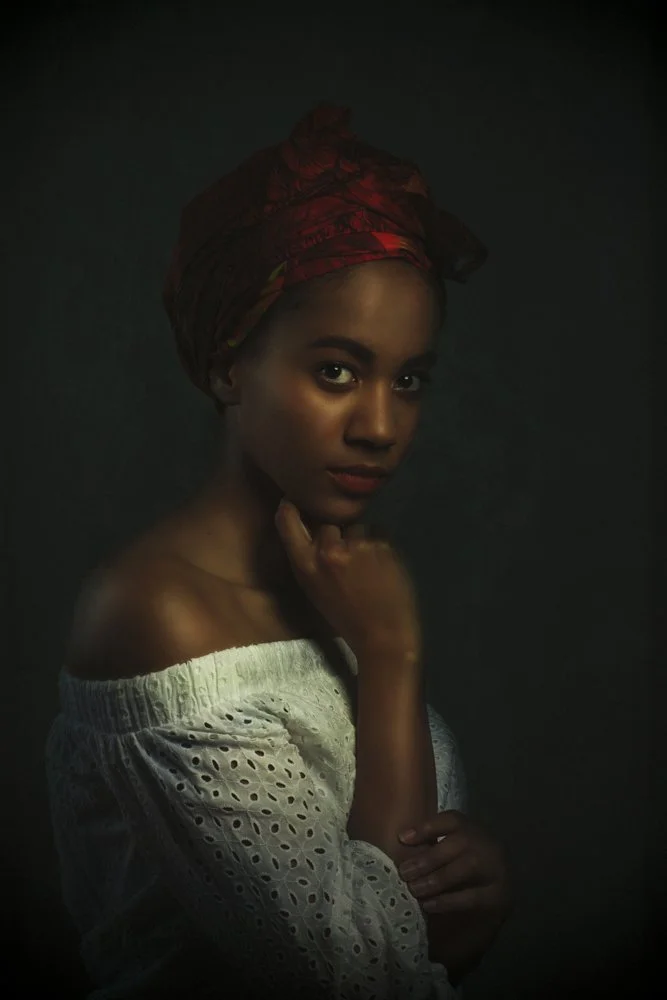
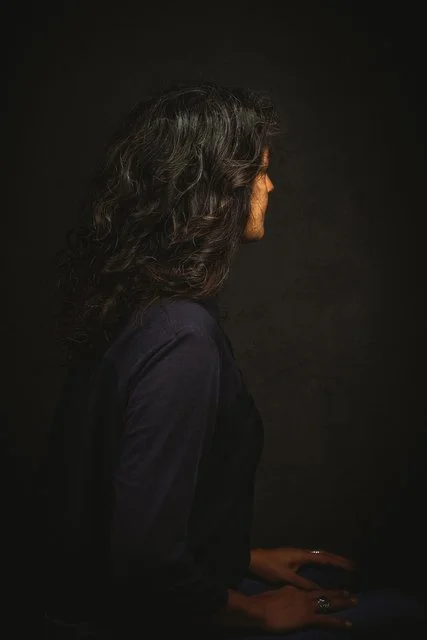
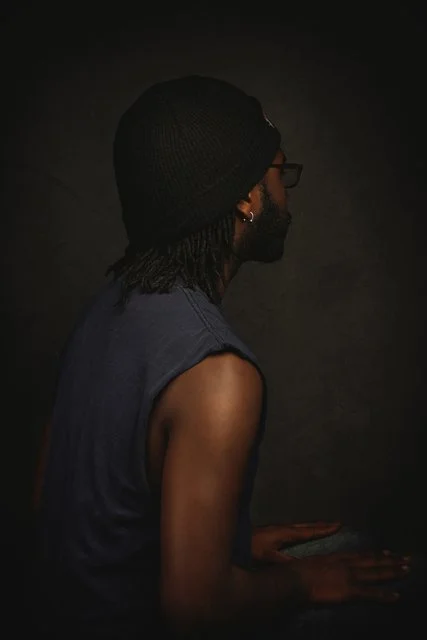
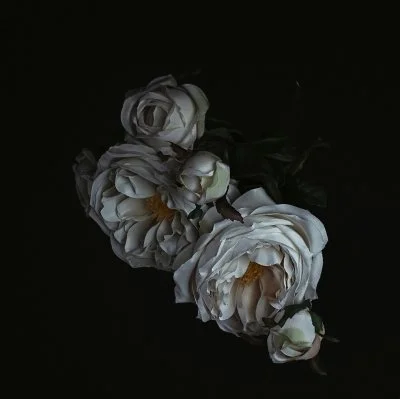
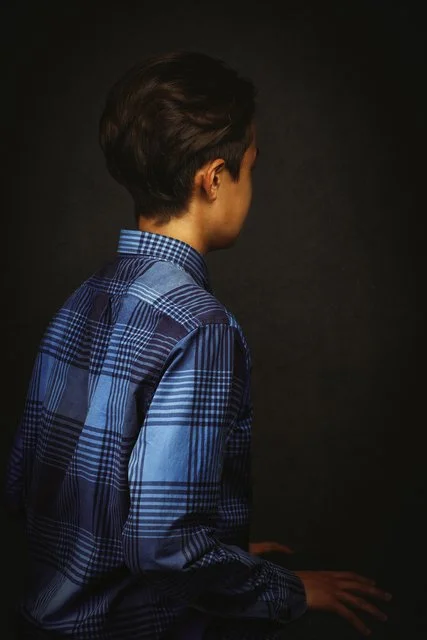
Alanna Airitam: The Golden Age is a tribute to black culture and black histories. In an effort to reframe the narrative of Western art history, Airitam reconstructs prominent imagery of power with black men and women. Dressed in vintage garments and adorned with lush fruit and flowers, Airitam’s majestic portraits confront and recontextualize the way African Americans have been perceived and recorded throughout art’s history.
The series is comprised of baroque-esque portraits of African Americans, influenced by iconography from the 17th-century Dutch Renaissance era, also known as the Golden Age of painting. In ‘The Queen,' a woman rests a key in her palm with a floral headdress illuminated by a Rembrandt-like light, and ‘Dapper Dan’ pays homage to iconic figures from the Harlem Renaissance who influenced Airitam, such as Langston Hughes and Zora Neale Hurston. Through lighting and subject, Airitam’s images emanate pride and true grace while transporting the viewer to another time, preserving history.
ABOUT THE ARTIST
Alanna Airitam explores the narratives we inherit —those passed down as history, shaped by power and curated through exclusion. In this sense, truth becomes slippery, fractured, subjective, and always dependent on the storyteller. Airitam is constantly working to unravel these layered narratives, particularly those that arise from collective memory and historical omission. At the heart of her work is a belief in the miraculous existence of every human being and our birthright to live free and unbound by systems designed to contain, erase, or distort us.
Portraiture is central to her practice as a tool of reclamation and resistance. Through it, she seeks to counter the historical absence of Black bodies in the Western art canon and reframe the stereotypes imposed on us. Her work draws from portraiture traditions within Western art. It is not to uphold their ideals, but to challenge their exclusions. By intentionally referencing the visual language historically reserved for whiteness, power, and wealth, she activates recognition while critiquing the erasure of Black subjects from these canonical spaces. This act of documentation becomes an intervention: a way of reclaiming visual territory, asserting agency over our own stories, and reinserting Black bodies into aesthetic frameworks that have long denied our presence, humanity, and brilliance.
Airitam’s photographs are deeply informed by the legacy of Black studio photographers who carved out radical space for self-representation, cultural pride, and beauty. Photography becomes both a document and a construction: a medium capable of revealing systems of control while asserting our right to be seen fully, and on our own terms.
As Audre Lorde reminds us, "The master’s tools will never dismantle the master’s house." She take this as a call to create outside of structures that have historically excluded Black life, truth, and freedom. To make this work is to reclaim space in a world that insists on our invisibility. Airitam invites viewers to reflect on the stories they’ve inherited and imagine new ones shaped by self-determination and the fullness of our shared humanity.
